Featured & Top Picks
Highest-rated, open-source, and standout Content Management tools curated by the community.
 ★ Top Choice

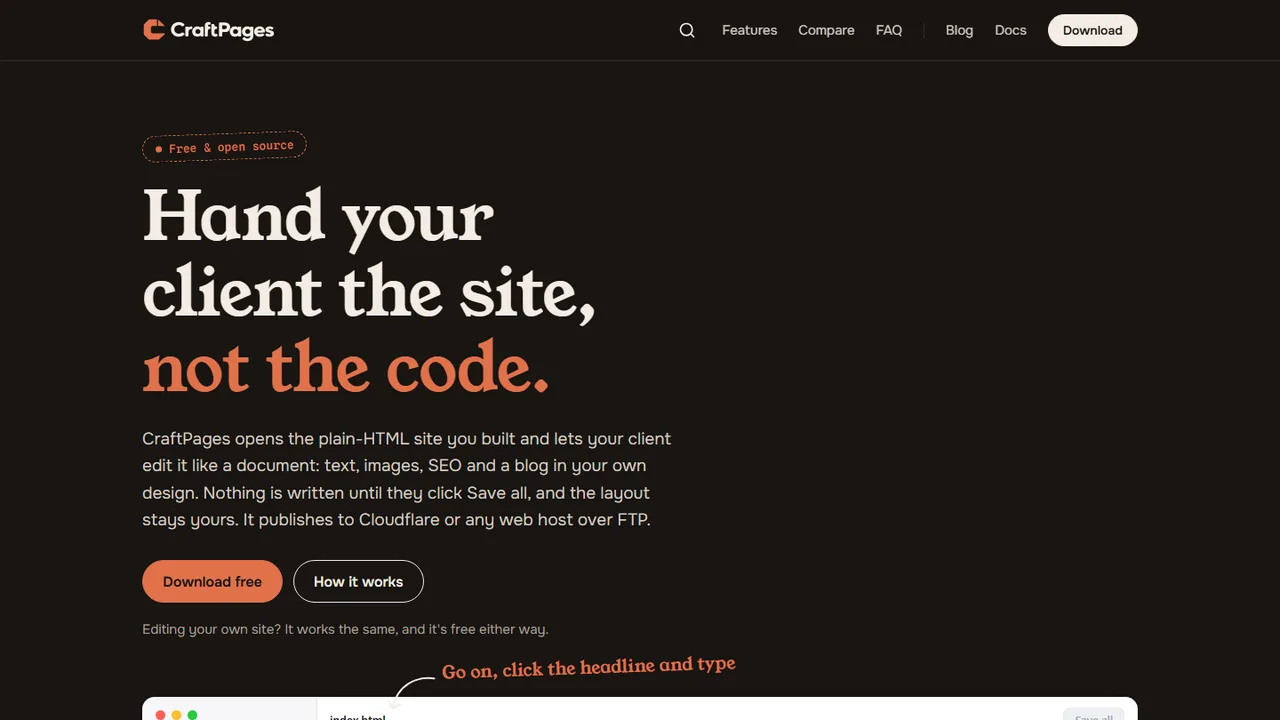
CraftPages
Open-source desktop CMS for editing and publishing plain-HTML websites.
 ★ Open Source Pick

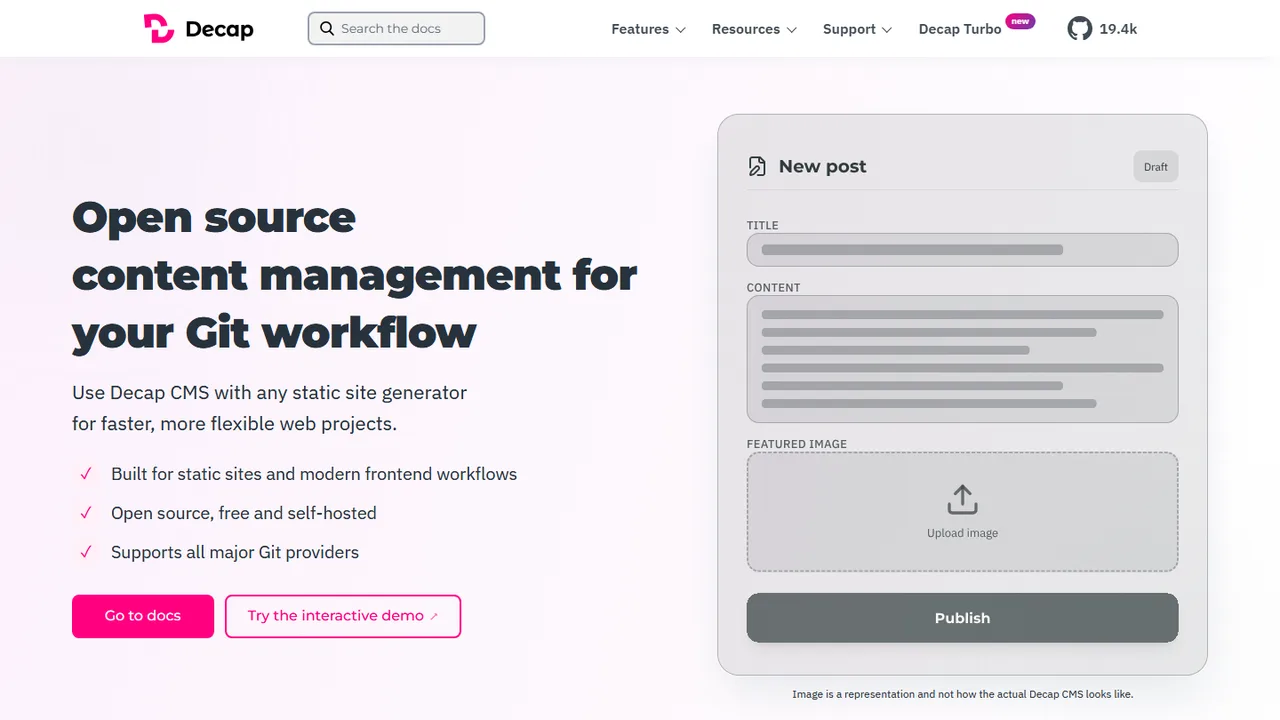
Decap CMS
Open-source, Git-based content management for static site generators.
 ★ Community Recommended

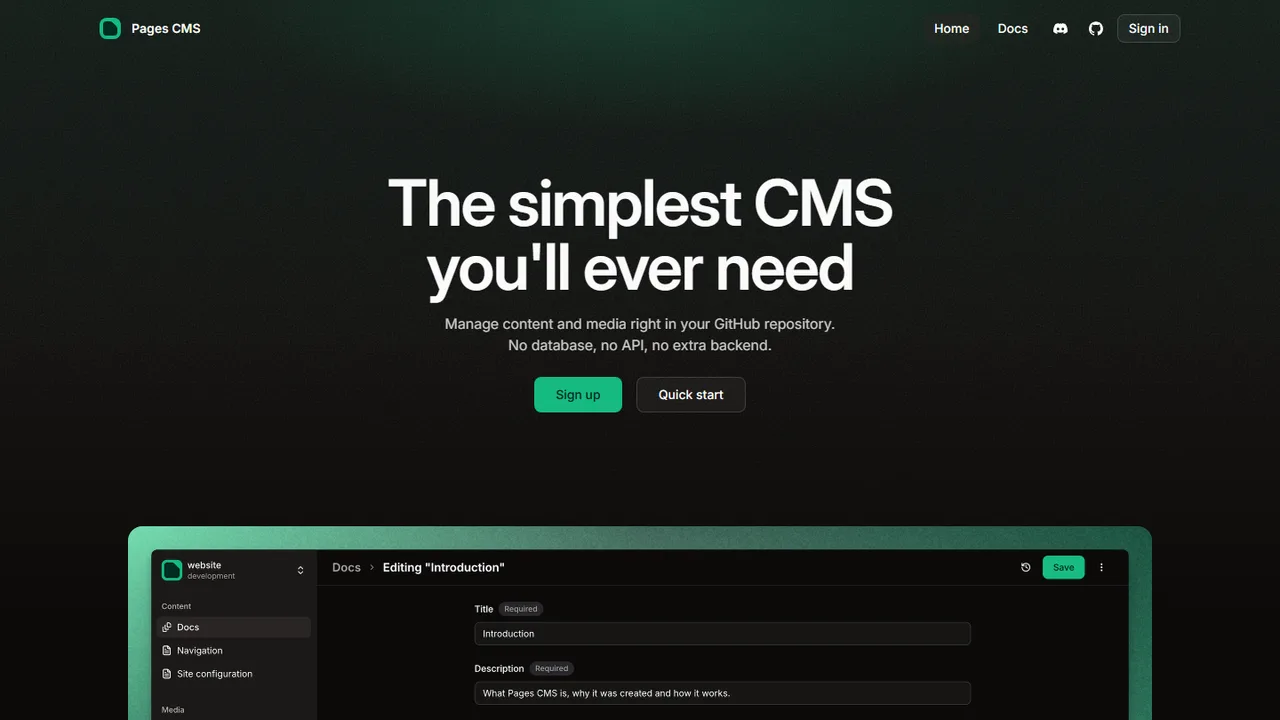
Pages CMS
Modern Git-based content management with a sleek, browser-based interface.
All Content Management Tools (3)
Explore, search, and filter zero-backend services and developer APIs.
Content Management Developer FAQ
Common architecture questions, security guidelines, and implementation tips for static websites.
What is a Headless or Git-based CMS for static sites?
A Git-based CMS (such as Decap CMS, Pages CMS, or TinaCMS) provides a friendly visual writing interface for non-technical editors while saving all articles and edits directly as Markdown, JSON, or YAML files inside your Git repository.
Do content editors need to know Git or Markdown to edit a static website?
No. Modern static site CMS solutions provide rich WYSIWYG editors, image uploaders, drag-and-drop components, and draft previews. The CMS converts the formatted content into clean Markdown files automatically behind the scenes.
What happens to the website when an editor publishes a blog post?
The CMS commits the new Markdown file directly to your repository branch. This automatically triggers your static site generator (Astro, Hugo, 11ty, etc.) to rebuild and deploy the new static page instantly via your host's CI/CD pipeline.
Is a Git-based CMS more secure than WordPress?
Significantly more secure. Because there is no central database or PHP runtime server to compromise, common vulnerabilities like SQL injection, database privilege escalation, and plugin exploits are structurally impossible.
Explore Related Categories
Complementary tools and services to expand your static web architecture.
Connect with fellow developers in the StaticStack Community. Share code snippets, ask implementation questions, and showcase your static projects.