Featured & Top Picks
Highest-rated, open-source, and standout Comments & Community tools curated by the community.
 ★ Top Choice

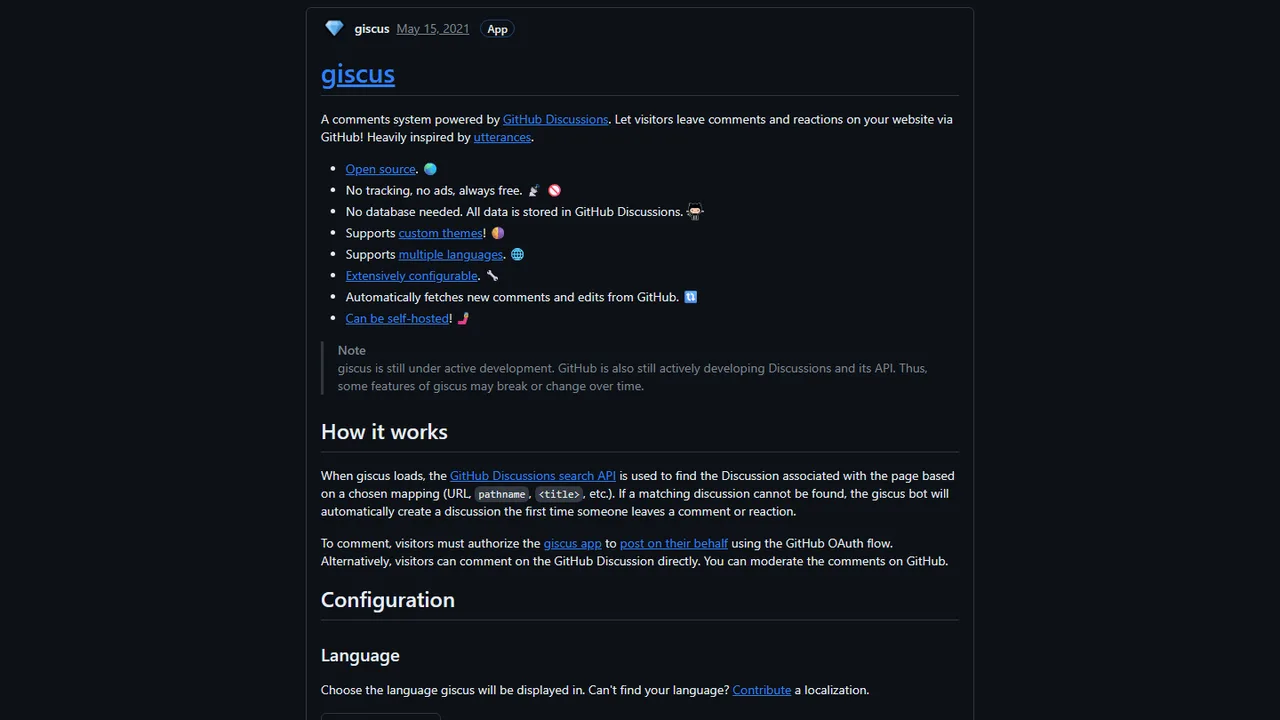
Giscus
GitHub Discussions-powered comment widget for static blogs and docs.
 ★ Open Source Pick

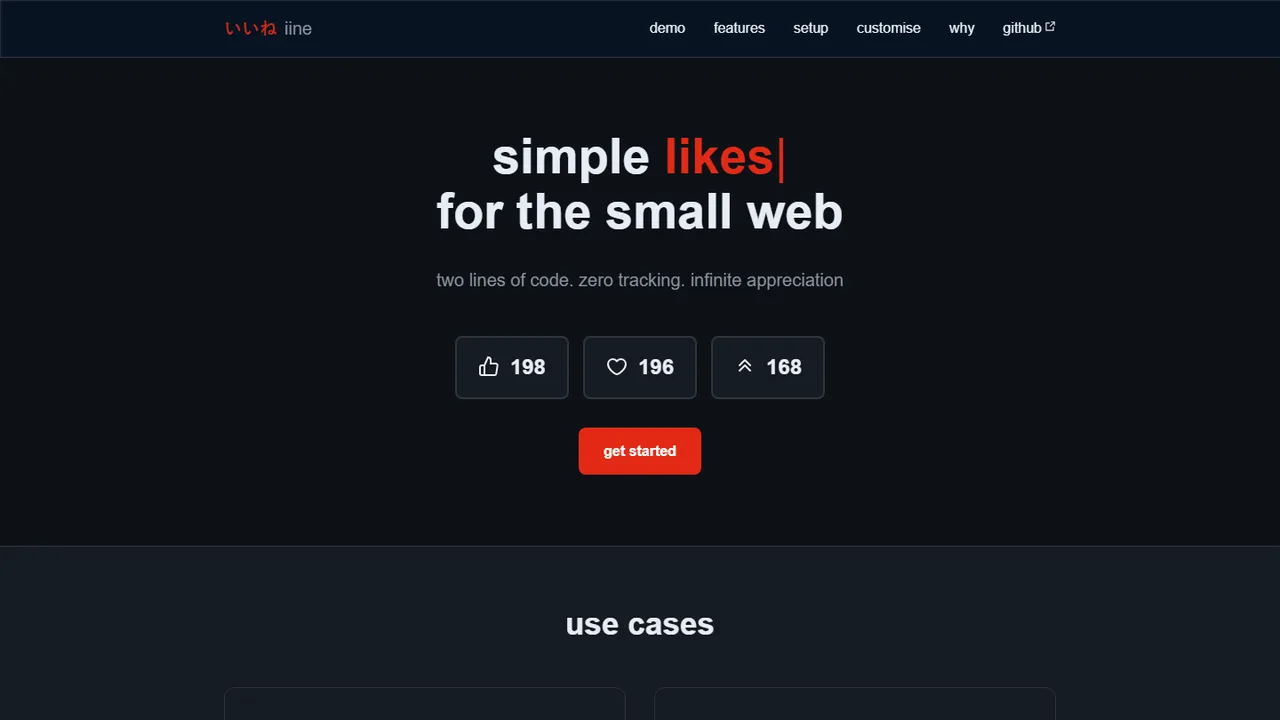
iine
Lightweight, privacy-first appreciation and like button widget without tracking.
 ★ Free Tier Available

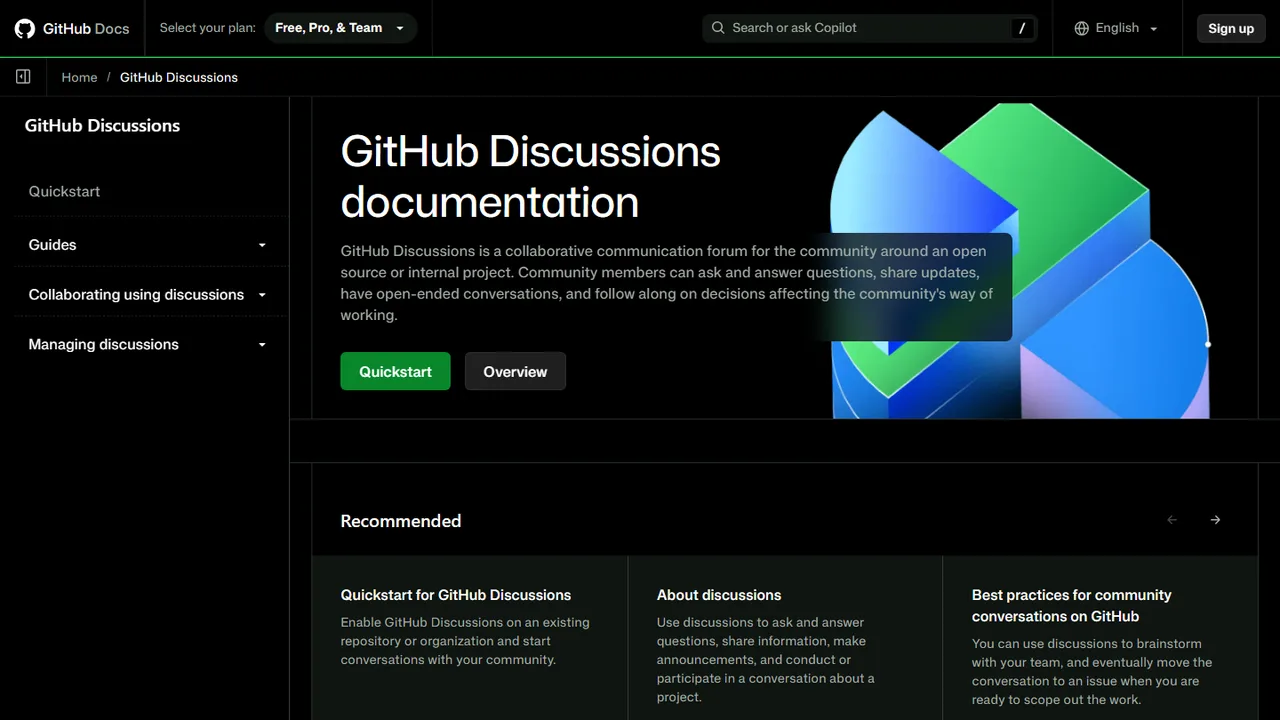
GitHub Discussions
Collaborative community discussion forum and Q&A platform built natively into GitHub.
All Comments & Community Tools (6)
Explore, search, and filter zero-backend services and developer APIs.


Lightweight, privacy-first appreciation and like button widget without tracking

Comments & Community Developer FAQ
Common architecture questions, security guidelines, and implementation tips for static websites.
How do static websites display and store user comments without a server?
Static sites embed lightweight client-side comment widgets that connect directly to modern comment backends (such as Giscus, utterances, or Remark42). For example, Giscus leverages GitHub Discussions as its comment database, completely eliminating the need for private server infrastructure.
How is comment spam moderated on static sites?
When using GitHub-backed comment engines like Giscus, commenters authenticate with their existing GitHub profiles, dramatically deterring bot spam and malicious trolling. Traditional spam honeypots and moderation dashboards are also available.
Will comment widgets harm the SEO of my static blog?
Most comment widgets load asynchronously via an iframe or web component, ensuring your primary static content renders instantly. Many modern search engine crawlers (including Googlebot) execute client-side JavaScript and index comment conversations.
Can users write comments using Markdown and code formatting?
Yes! Most static comment engines feature full Markdown syntax support, syntax-highlighted code blocks, image embeds, and emoji reactions.
Explore Related Categories
Complementary tools and services to expand your static web architecture.
Connect with fellow developers in the StaticStack Community. Share code snippets, ask implementation questions, and showcase your static projects.